De-Risk Development
Find the flow problems and confusing steps while changes are still cheap.





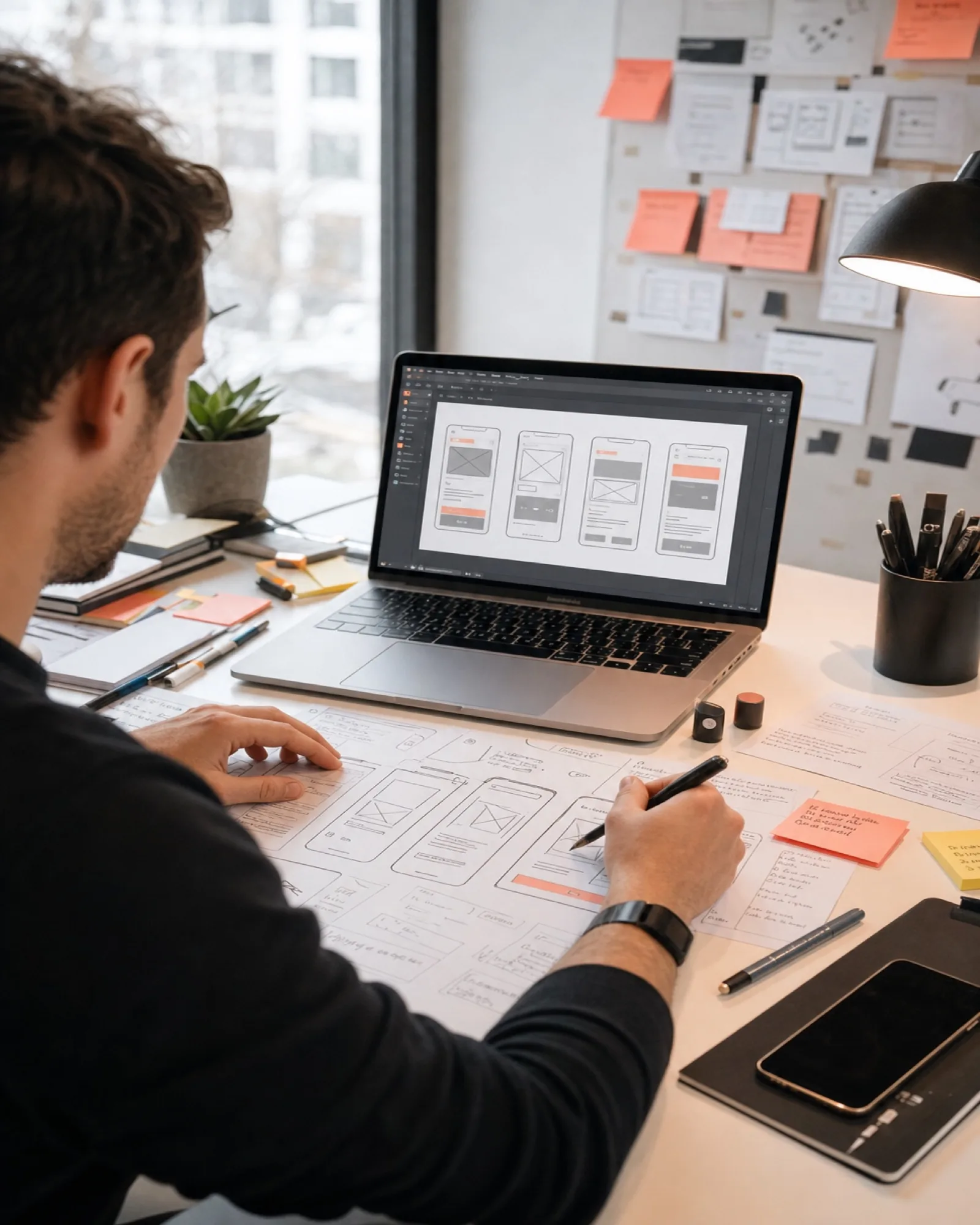
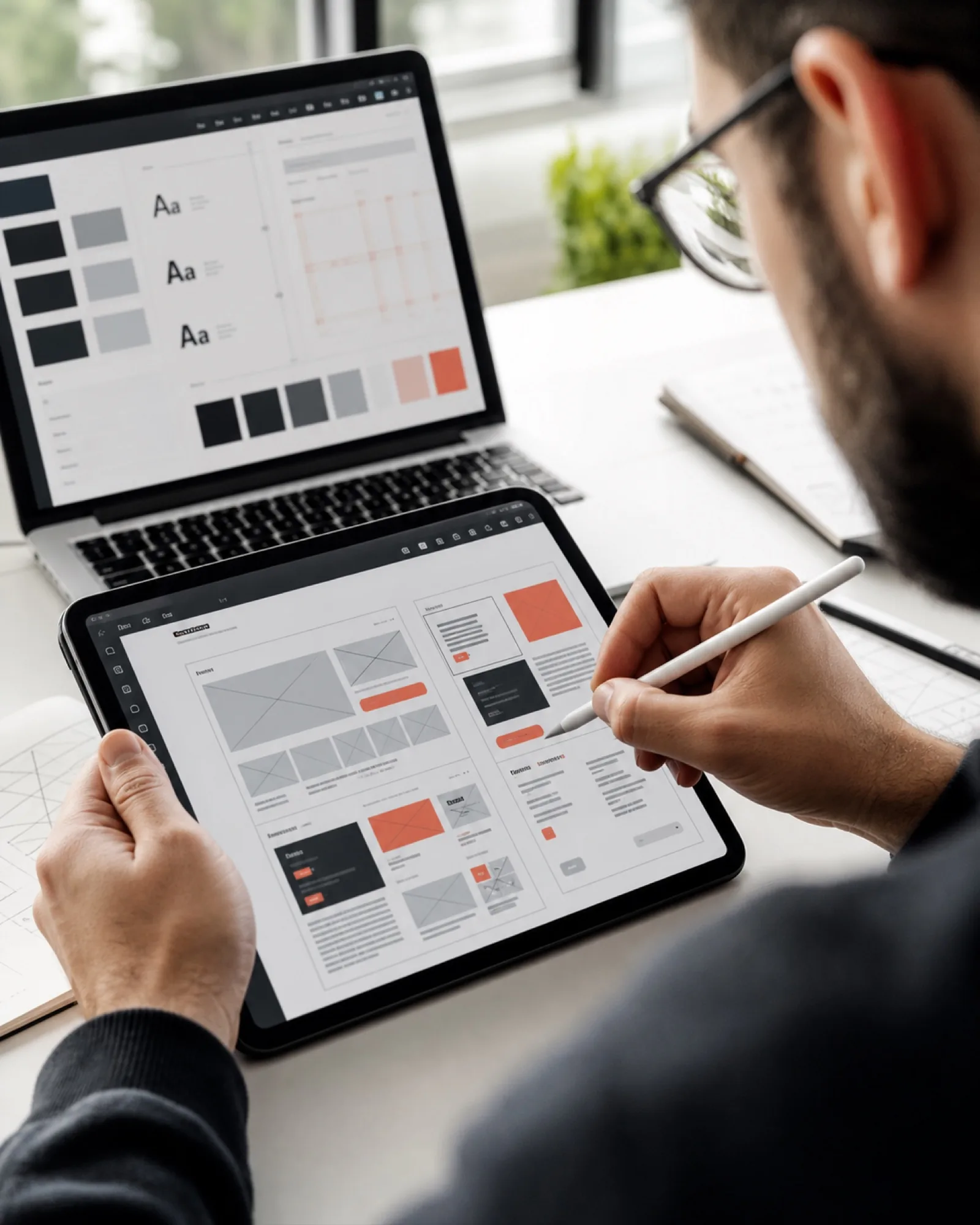

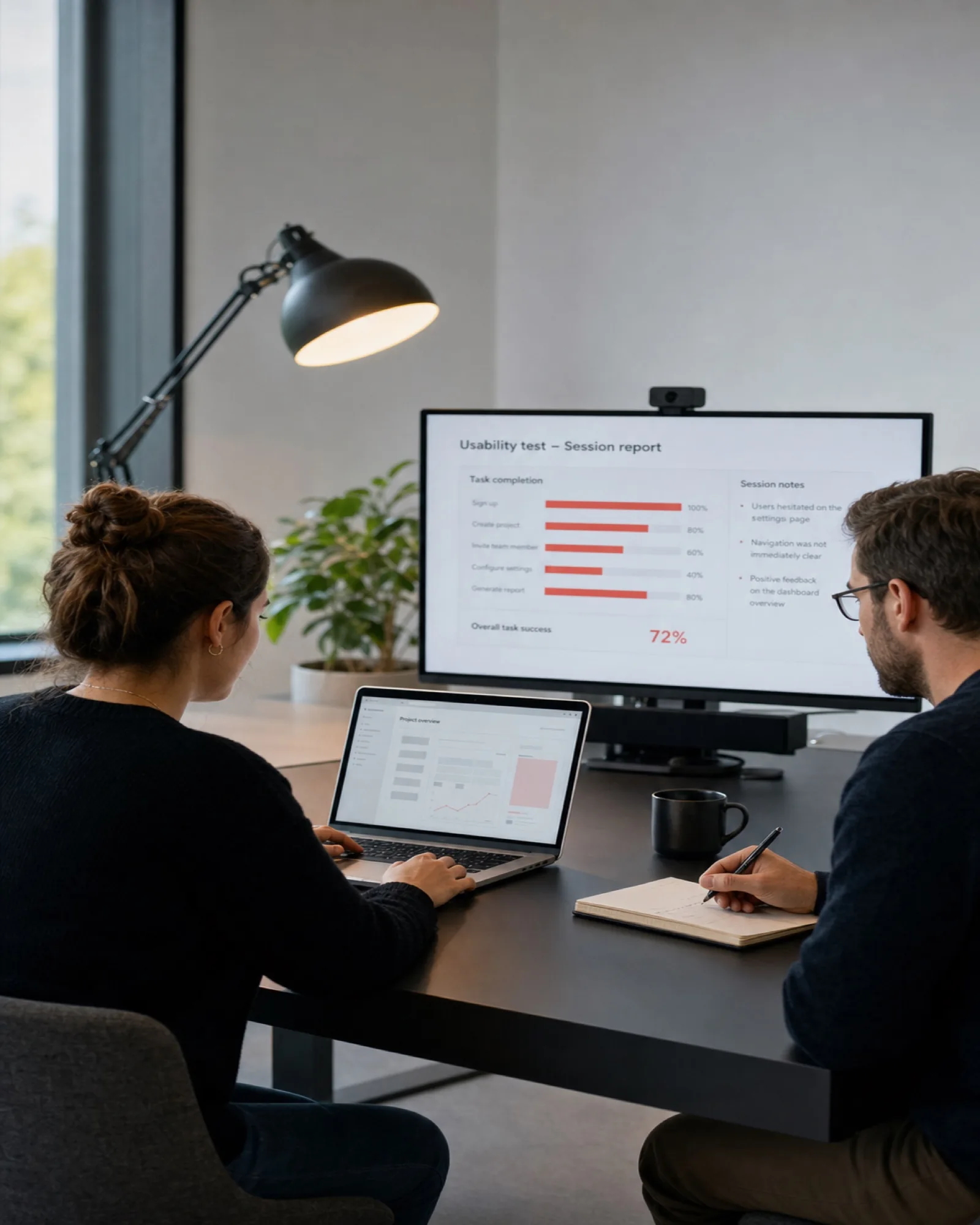
A clickable prototype is the cheapest way to find out whether your product works — before development spend begins. We prototype at the fidelity your goal needs: quick wireflow prototypes for internal decisions, polished interactive builds for user testing and fundraising.

Find the flow problems and confusing steps while changes are still cheap.

Investor-demo polish or fast internal iteration — fidelity matched to purpose.

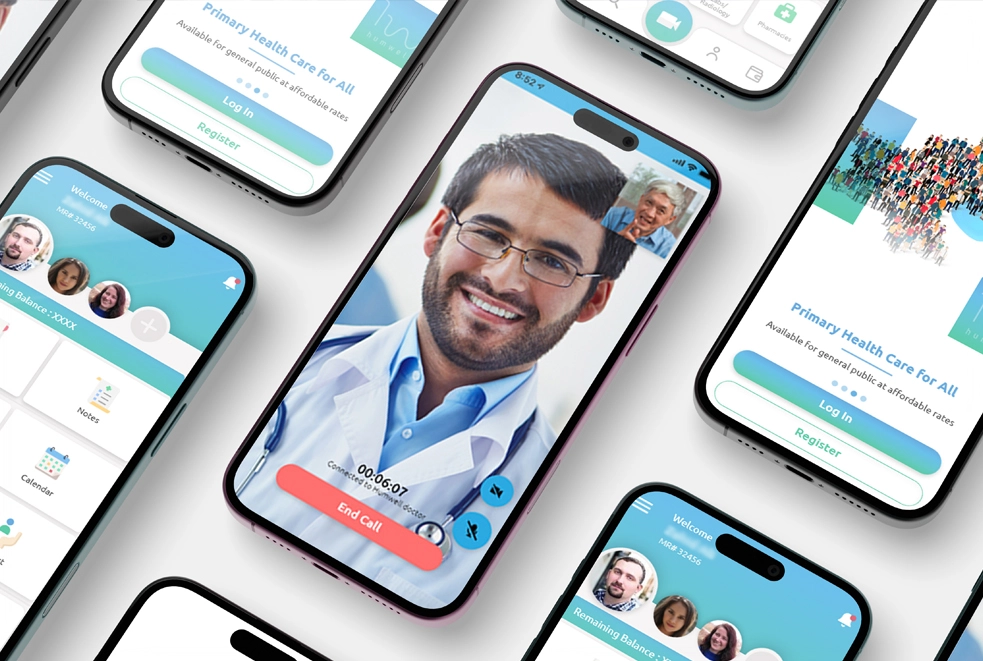
Humwell's telehealth platform touched patients, practitioners and admins — three audiences whose flows had to be validated before development. Prototyping and iterating those journeys early kept the build on target.
Read Full Case Study

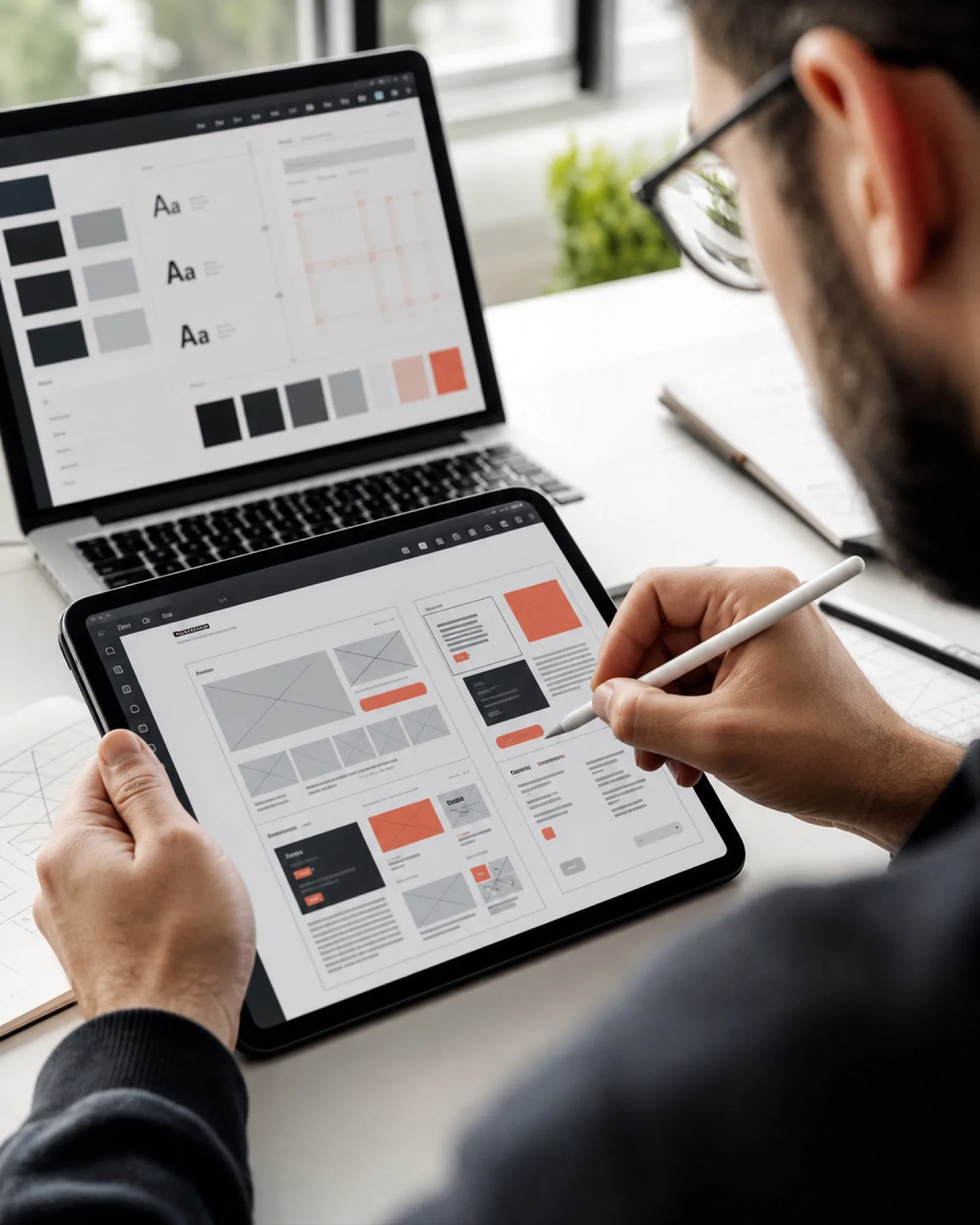
Information architecture and low-fidelity layouts nail the logic before the polish.
Pixel-accurate UI in Figma, on a reusable component system matched to your brand.
Navigate screens, tap buttons, experience real flows in Figma.
The flows that matter — onboarding, core actions, checkout — fully linked.
Believable movement between states, not just static jumps.
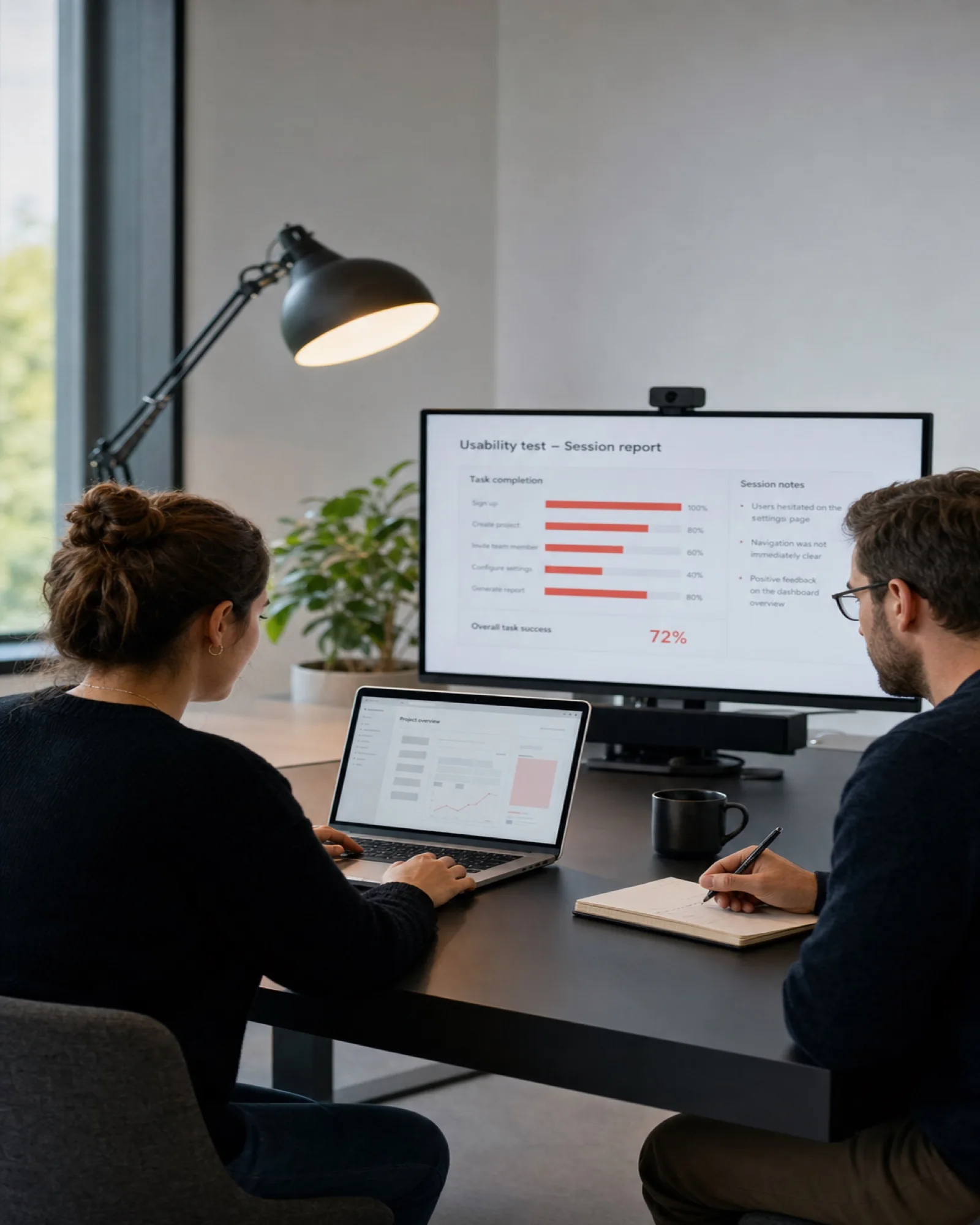
Built to support usability sessions with realistic task paths.
A presentation-safe flow for stakeholders and investors.
Prototype updated as feedback lands.
What testing reveals gets folded back into the design.
The prototype doubles as a living spec for the build team.
Focused design engagement for a single product area or site.
End-to-end design from research and wireframes to tested, developer-ready UI.
Common questions about our prototyping service.
Test it with real users, put it in front of investors, align your team on exactly what's being built, and validate flows before paying for development. It's the highest-leverage artifact in early product work.
No — it's a linked, interactive simulation built in design tools. That's the point: it costs a fraction of development and can change overnight.
A focused prototype of the core journey typically takes one to two weeks; broader coverage scales from there.
Yes. We recreate the relevant parts of your current UI and prototype the new feature in context, so testing reflects reality.
Get valuable consultation from our professionals to discuss your project. We are here to help you with all of your queries.