Workload-By-Workload Placement
Each component assessed for the control it needs versus the operations it costs.





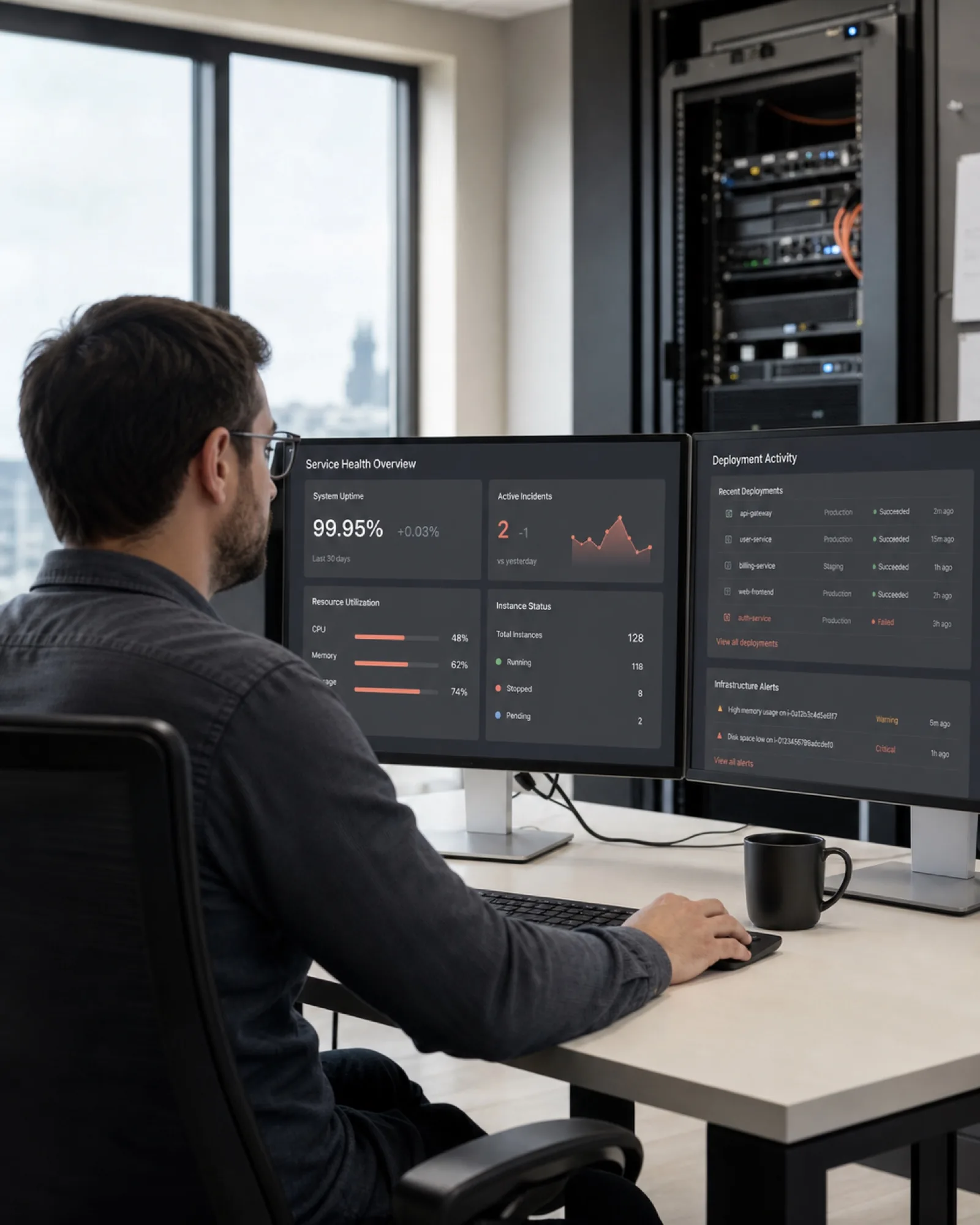
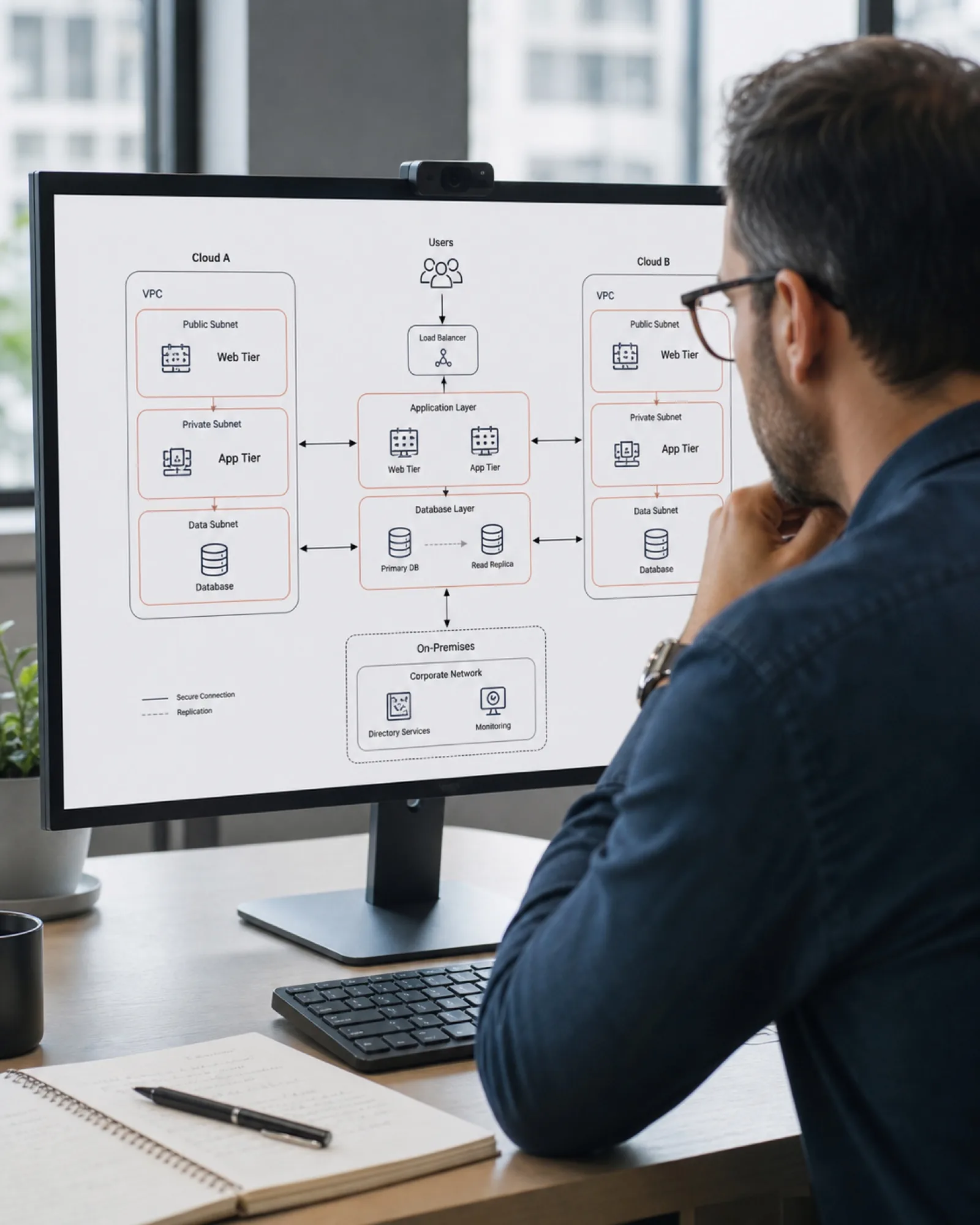
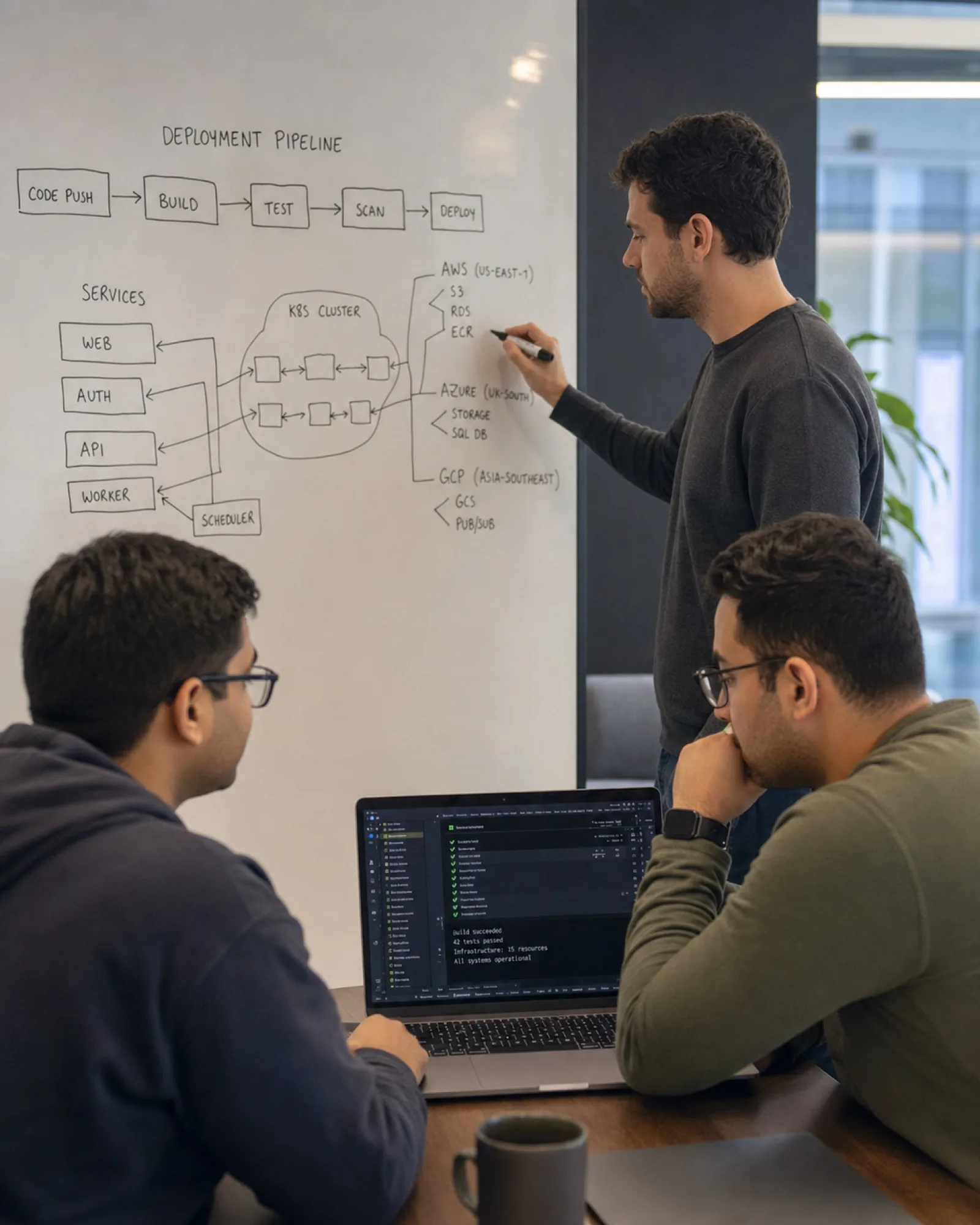
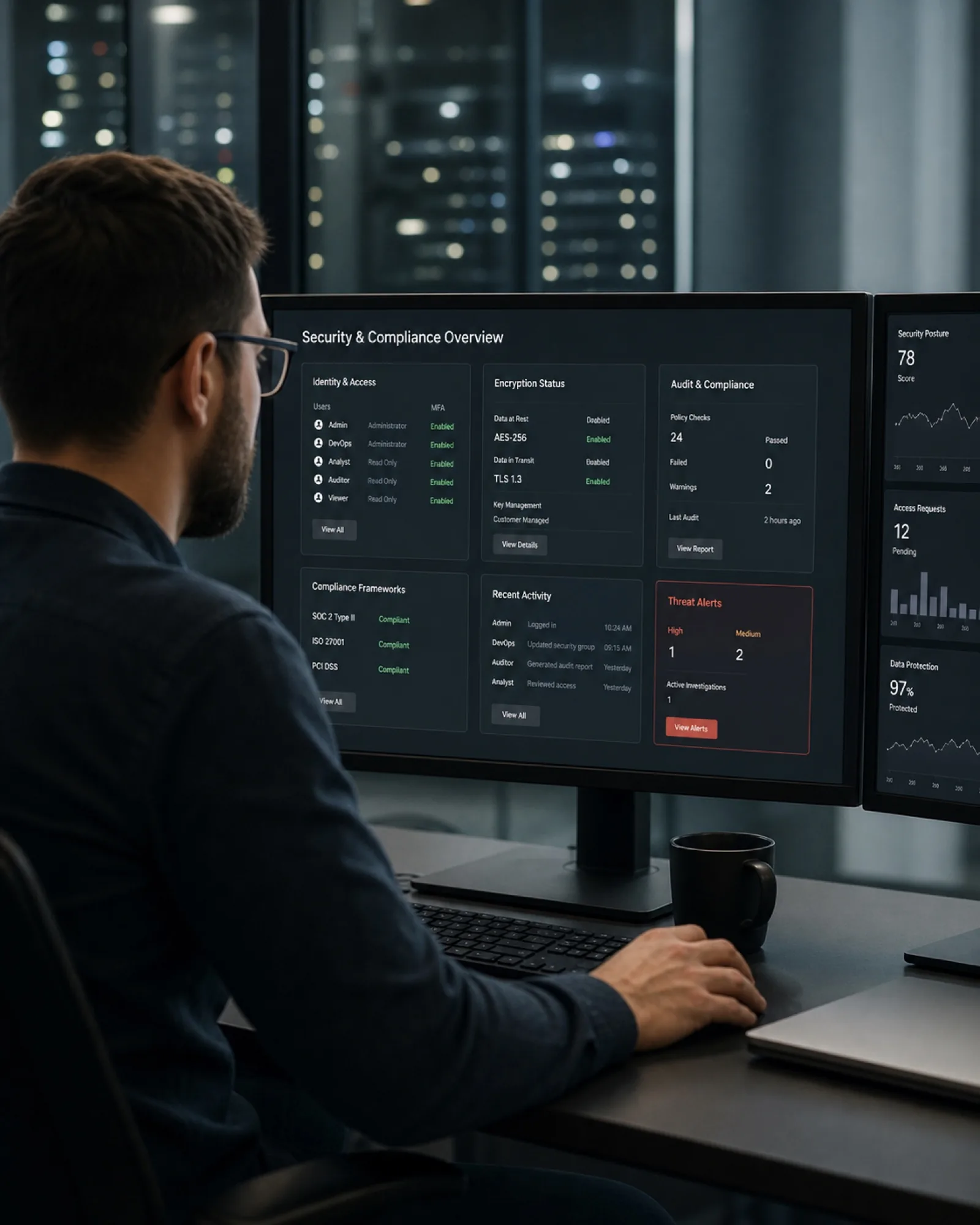
Most real systems want both: IaaS for workloads needing custom environments and fine control, PaaS for standard applications where managed databases and auto-scaling remove operational burden. We assess each workload and place it at the level that minimizes total cost — including your team's time.

Each component assessed for the control it needs versus the operations it costs.

Databases, queues and storage as managed services — undifferentiated ops eliminated.


An e-commerce platform like MyCart lives and dies by infrastructure — peak-sale traffic, payment reliability, database performance. The platform runs on infrastructure engineered for retail reality.
Read Full Case Study
Cloud architecture designed for your workload, migrated in stages with rollback plans.
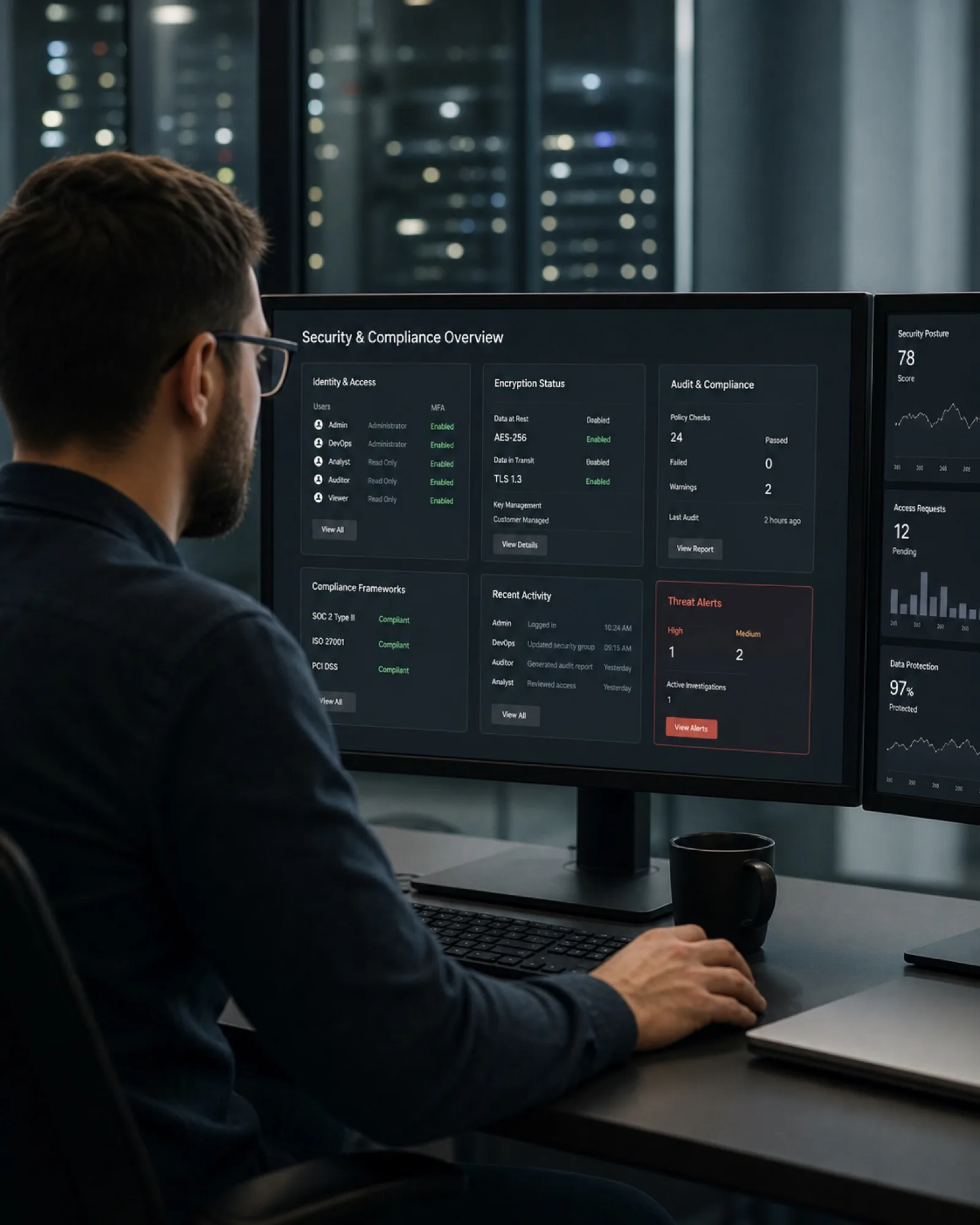
Monitoring, alerts and ongoing management so problems surface before users notice.
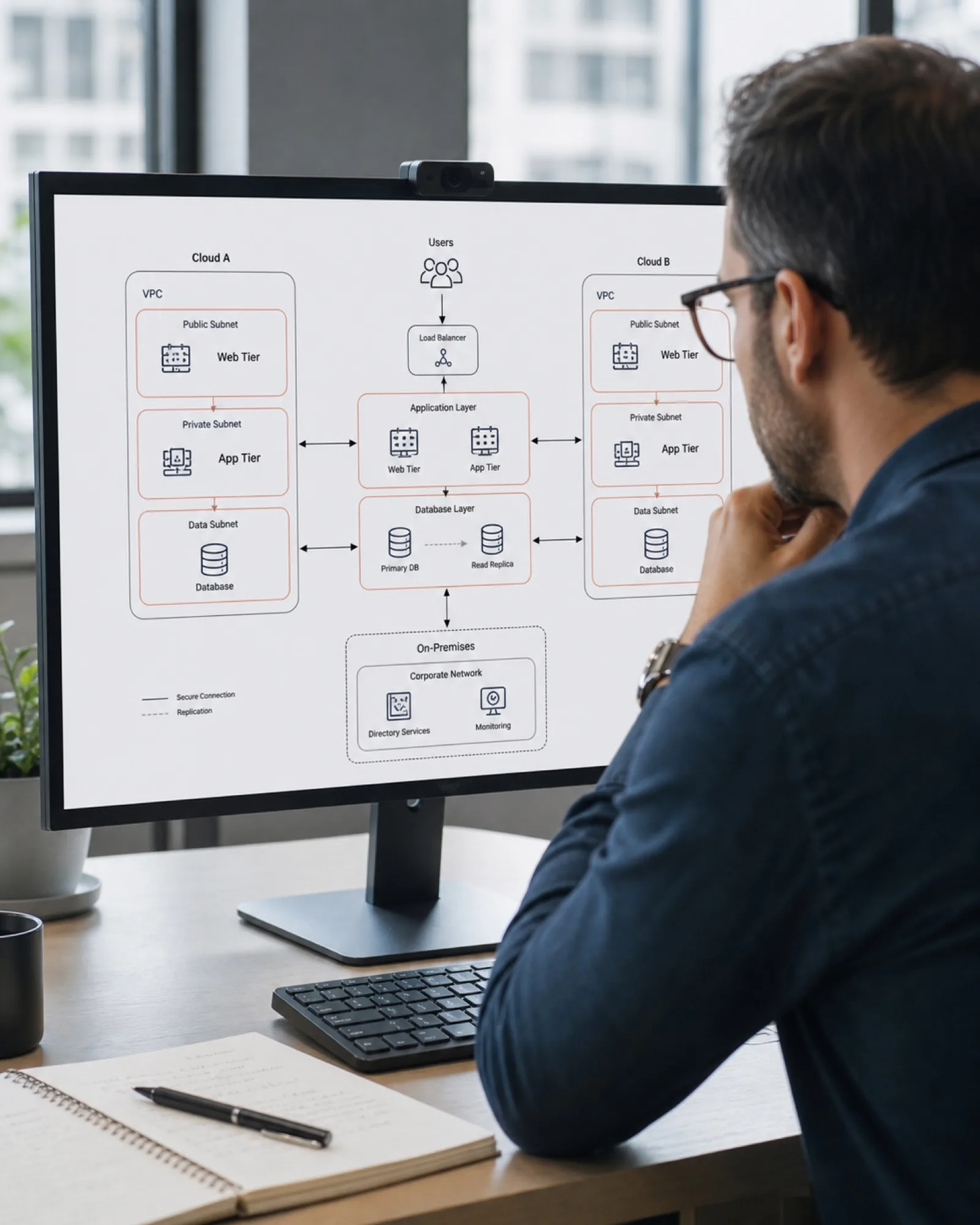
Every component mapped to its ideal service level.
Compute, networking and storage configured with infrastructure-as-code.
Managed app platforms, databases and services configured.
Environments reproducible from version-controlled definitions.
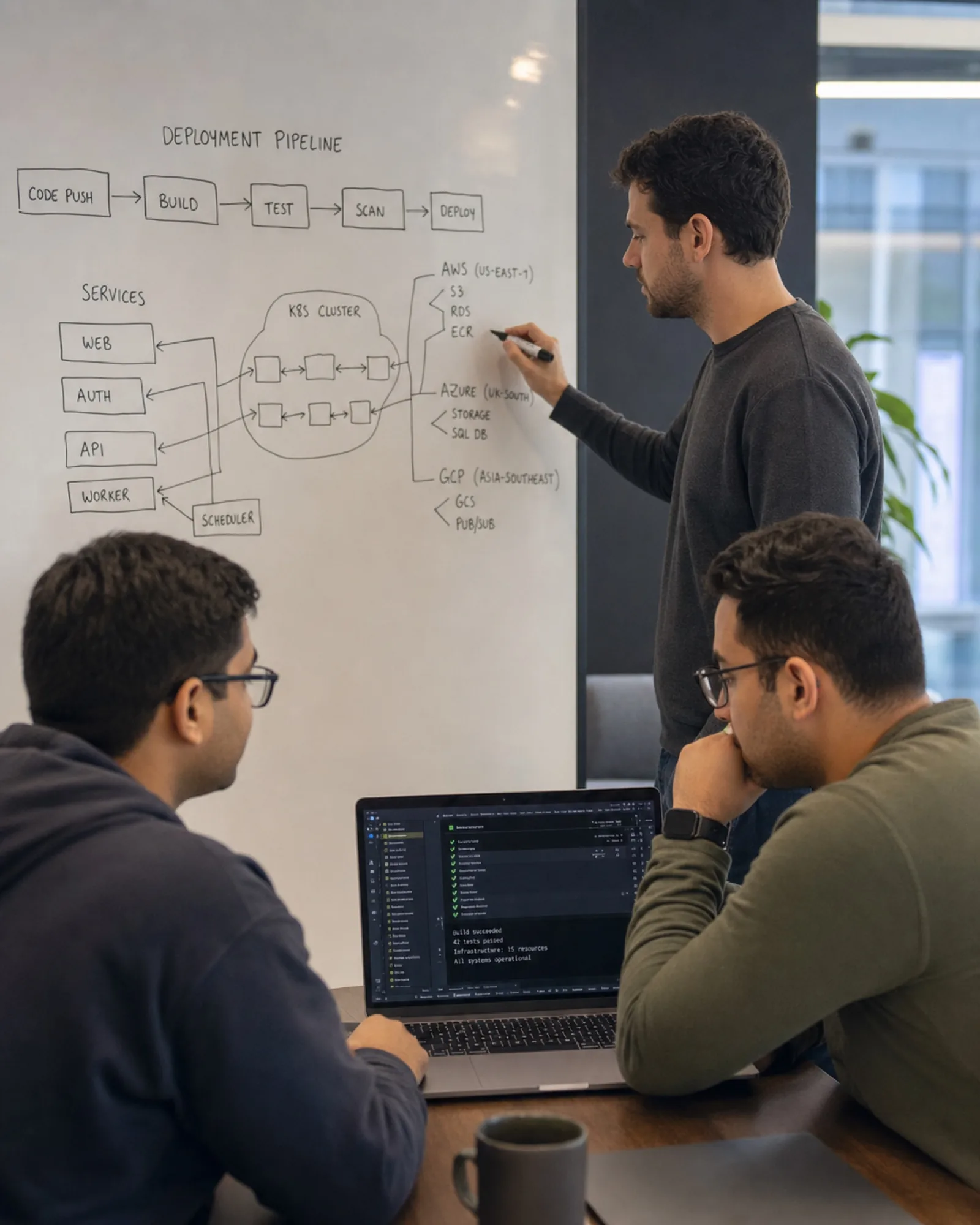
Automated build, test and deploy across environments.
Backups, replicas and scaling handled by the platform.
Dev, staging and production properly separated.
Your team understands and owns what was built.
Infrastructure review, architecture design or initial cloud setup.
Full migration of applications and data with staged cutover.
Common questions about our iaas / paas solutions service.
IaaS rents you raw infrastructure — full control, more responsibility. PaaS runs the platform for you — deploy code, skip server management, accept some constraints. The right answer is usually a mix, decided per workload.
IaaS looks cheaper on the invoice and often costs more in reality once engineering time enters the math. PaaS premiums frequently pay for themselves in ops you no longer do. We price both paths honestly for your case.
Yes — and good architecture keeps that door open. Containerized workloads move fluidly; we avoid the proprietary lock-ins that make later migration painful.
If you want — either fully managed by us, or handed to your team with documentation, training and an on-call arrangement for when things get interesting.
Get valuable consultation from our professionals to discuss your project. We are here to help you with all of your queries.