Standards, Not Guesswork
SCORM 1.2 and 2004, xAPI, cmi5, AICC and LTI 1.3 — implemented against the specification, so content behaves the same on every conformant LMS.





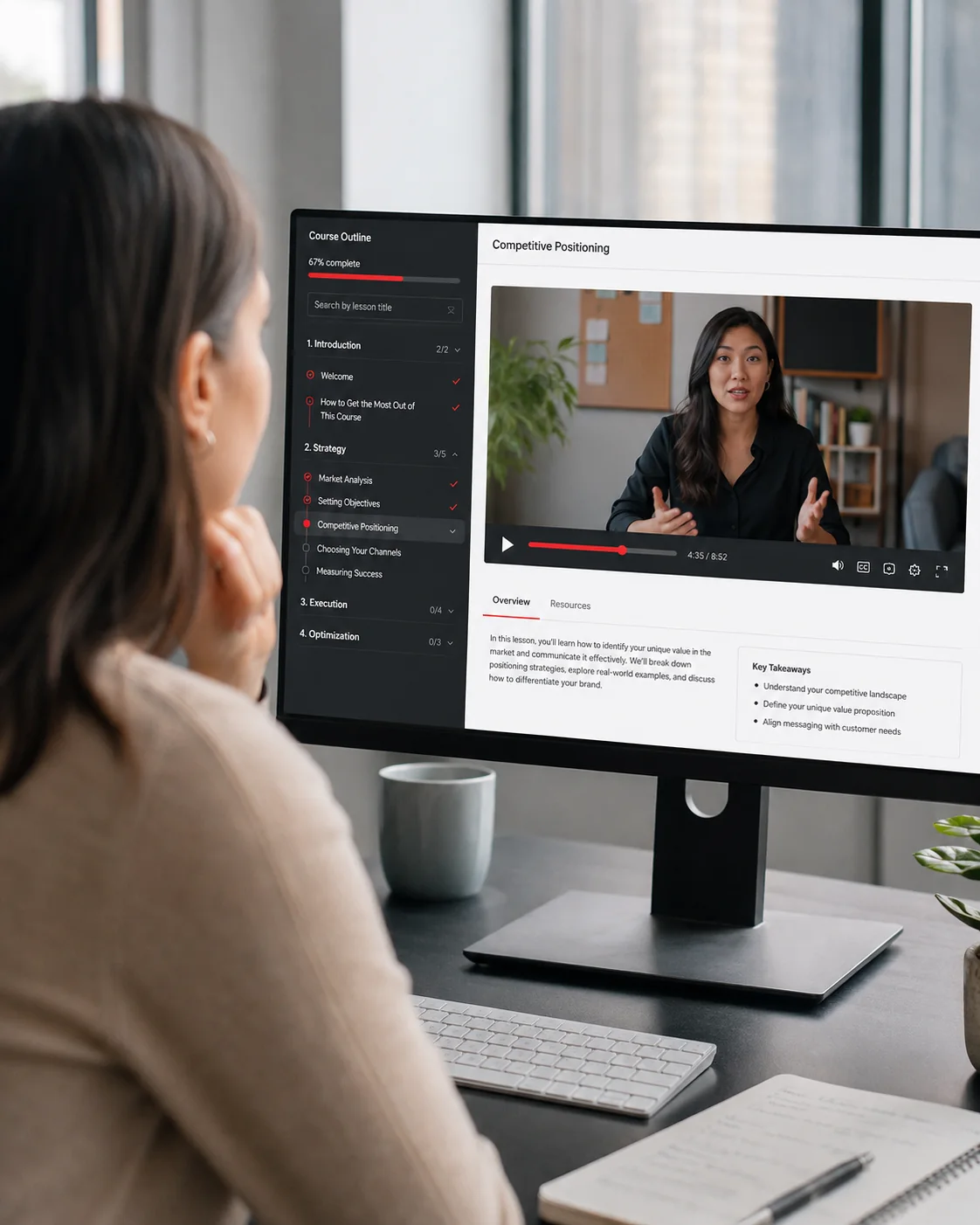



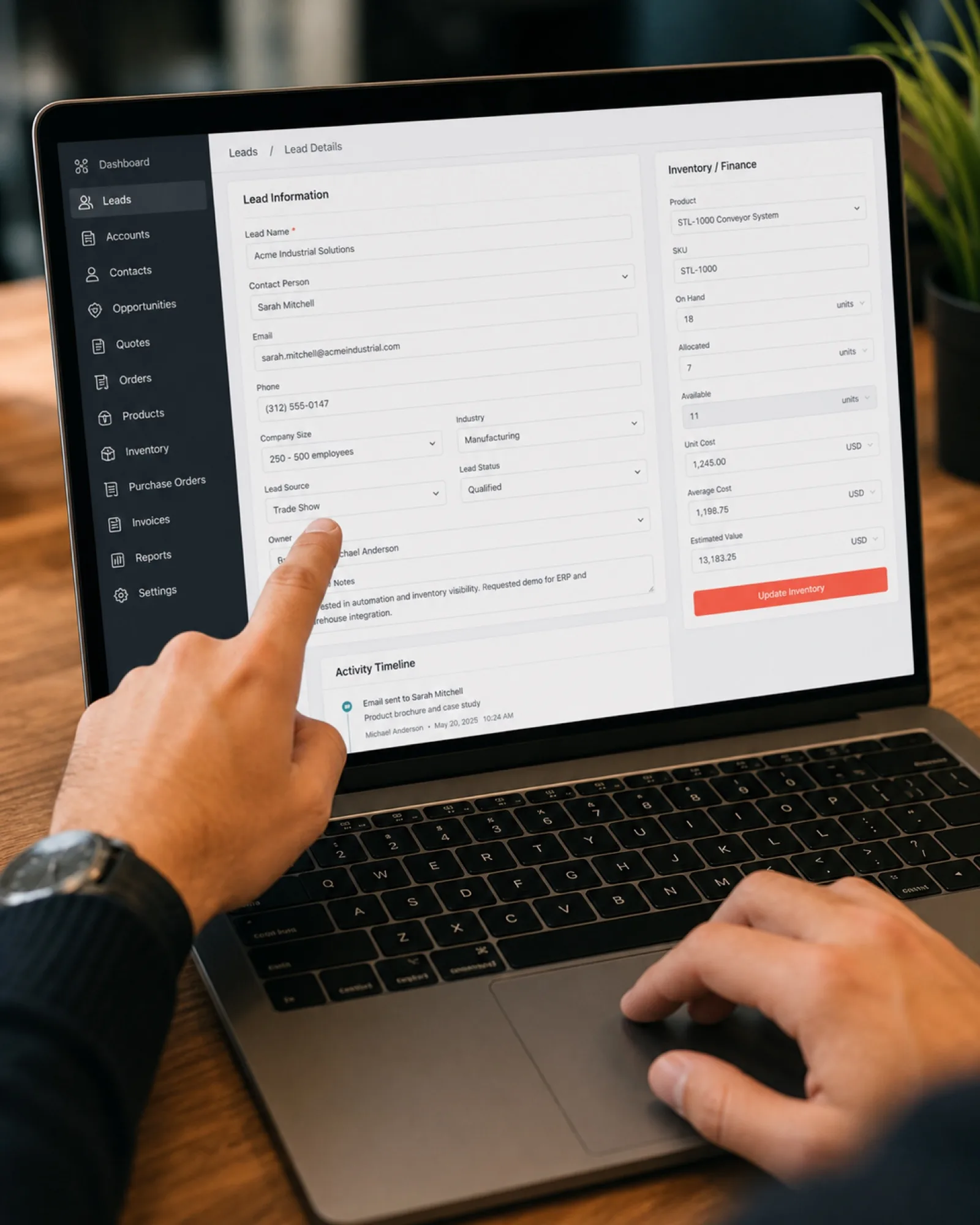
Most eLearning problems are not content problems. The course plays fine in a browser and then refuses to launch in the LMS, or it launches but never records completion, or progress resets when a learner comes back. Those are interoperability faults — in the manifest, the runtime calls or the way the LMS was integrated — and they are what we fix and build for.

SCORM 1.2 and 2004, xAPI, cmi5, AICC and LTI 1.3 — implemented against the specification, so content behaves the same on every conformant LMS.

Completion, score, time and interaction data written correctly at runtime, so your reports reflect what learners really did.

SCORM 1.2 and SCORM 2004, xAPI, cmi5, AICC and LTI 1.3 — built against the standard, not trial and error.

Moodle, Canvas, TalentLMS, Docebo and SAP SuccessFactors, plus custom platforms and SCORM Cloud.

Content that will not launch, completion that never reports, progress that resets — diagnosed at the runtime API level.

Suspend data, bookmarking and scoring handled within each standard's real limits, so nothing is silently truncated.

We establish which standard your LMS actually supports and test how your existing content behaves against it.
We decide what must be recorded — completion, score, time, interactions — before anything is packaged.

Content packaged with a valid manifest and correct runtime calls, or an integration built directly against the LMS API.

Verified on your actual platform, not just a local player — launch, resume, completion and reporting end to end.
Valid imsmanifest.xml, correct runtime calls and sequencing, packaged to import cleanly.
Statements sent to your Learning Record Store for learning that happens outside a course player.
Moodle, Canvas, TalentLMS, Docebo, SuccessFactors, SCORM Cloud, or a custom platform.
Your tool launched as a conformant LTI provider inside an institutional LMS.
Existing courses diagnosed and repaired — the common cause is the manifest or the runtime, not the content.
Mastery scores, pass/fail rules and completion criteria that behave the same on every platform.
Suspend data handled within each standard's size limits so learners resume exactly where they stopped.
Learner records surfaced in reports you can actually use, and exported where you need them.






Common questions about eLearning standards and LMS integration.
SCORM is a set of rules that lets a course and a learning management system talk to each other. It defines how the course is packaged so the LMS can import it, and how the course reports progress, score and completion back while a learner works through it. Content built to SCORM runs on any LMS that supports the same version.
SCORM if your learning happens inside an LMS course player and your platform expects it — it is still the most widely supported standard. xAPI if you need to record learning that happens outside a course, such as in an app, a simulation or on the job. cmi5 bridges the two: xAPI tracking with LMS launch and completion rules. We will tell you which your platform actually supports before anything is built.
Usually, yes, and it is the most common problem we see. It is almost always the runtime calls rather than the content — a completion status never set, a mastery score the LMS reads differently, or a session that ends without committing. It is diagnosed by watching the API traffic between the course and the LMS.
Your existing one, in most cases. We work with Moodle, Canvas, TalentLMS, Docebo and SuccessFactors among others. A custom platform is worth building when your requirements genuinely fall outside what those products do, not as a default.
Yes. Remediating existing packages is a large part of this work. We do not need the original authoring source to diagnose a package, though having it makes some fixes cheaper.
Get valuable consultation from our professionals to discuss your project. We are here to help you with all of your queries.