Single Codebase, Two Platforms
One codebase built with Flutter or React Native ships to iOS and Android, cutting development time and keeping both versions in sync going forward.







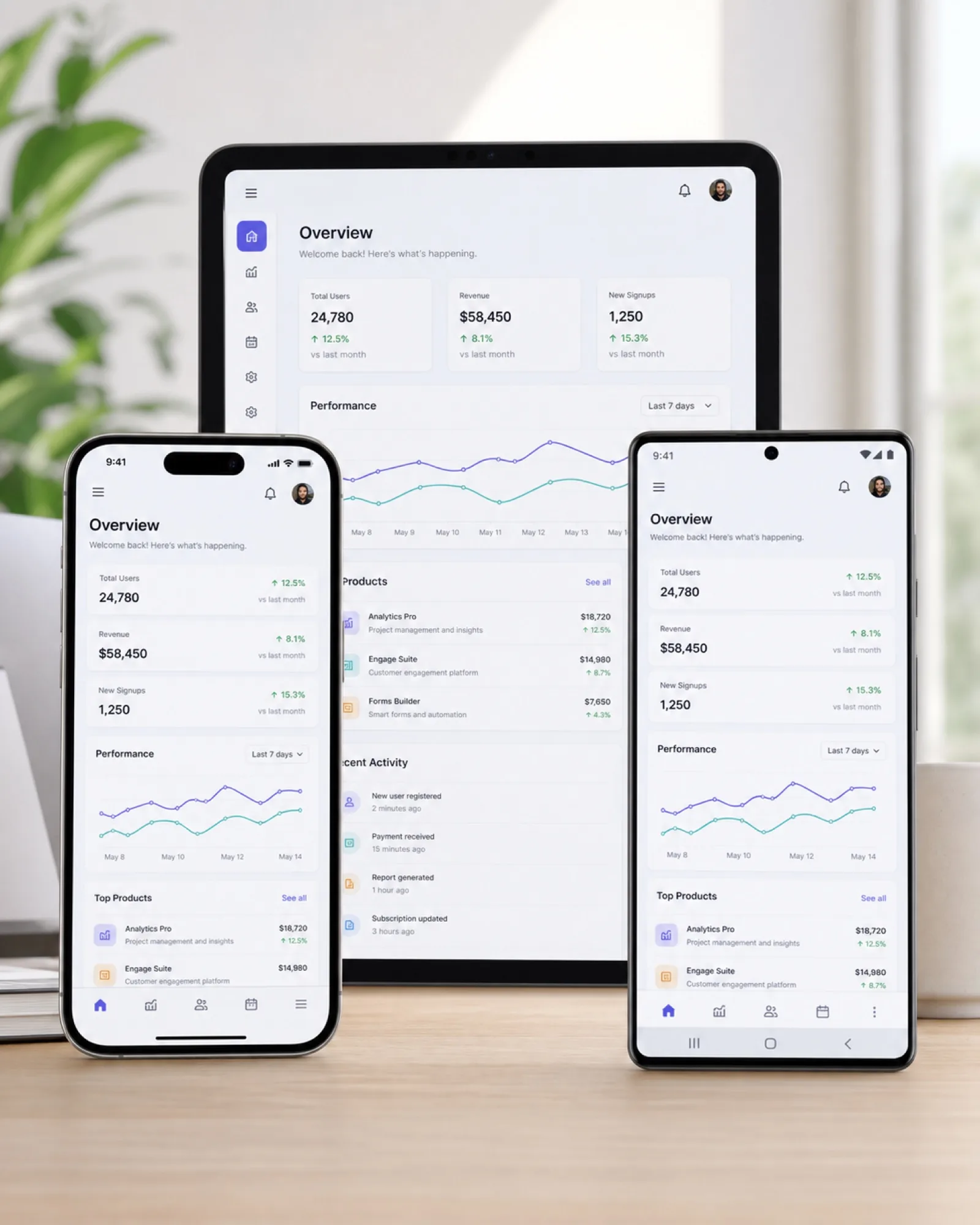

Building two separate native apps doubles your development and maintenance cost. We build cross-platform apps with a single shared codebase that ships to both iOS and Android, bridging to native modules where a feature genuinely needs it — without compromising on speed or feel.

One codebase built with Flutter or React Native ships to iOS and Android, cutting development time and keeping both versions in sync going forward.

Building once instead of twice means you can launch on both app stores closer together, without doubling your budget or timeline.


We choose the framework that fits your project's needs, and build with the same engineering discipline as a native app.
A single codebase means fixes and new features ship to iOS and Android together, instead of building everything twice.

Where a feature genuinely needs it, we bridge to native modules, so shared code never comes at the cost of feel or speed.

One codebase to maintain means lower ongoing development and QA costs compared to running two separate native apps.
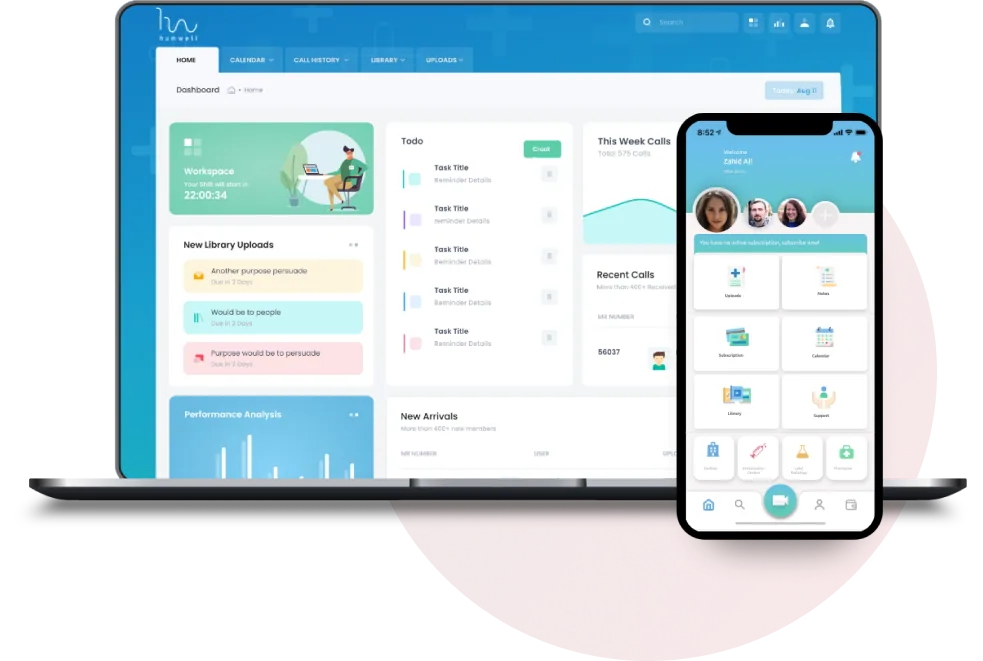
HUMWELL needed to reach patients across Pakistan on whichever phone they carried. We built a bilingual healthcare app, in English and Urdu, delivered on both iOS and Android from one shared codebase, with secure data handling for virtual consultations and patient care.
Read Full Case Study

We design one interface system that adapts sensibly to both iOS and Android conventions, rather than forcing one platform's look onto the other.
Development in Flutter or React Native against a single codebase, with native modules bridged in where a feature requires it.

We test the shared codebase on real iOS and Android devices independently, since platform-specific quirks can still surface in a cross-platform app.

We handle submission to both the App Store and Play Store, so both versions launch together rather than weeks apart.
One codebase built in Flutter or React Native, shipping to both iOS and Android.
Platform-specific native code where a feature genuinely needs it, without compromising the shared build.
Tested separately on real iOS and real Android devices, not just one platform assumed to match the other.
Cross-platform push notifications wired into your backend and ready to use on both stores.
Modern authentication with encrypted session handling, shared consistently across platforms.
App Store and Play Store submissions handled together, so both versions launch close in time.
One UI system adapted sensibly to each platform's conventions, rather than forcing one look onto both.
Crash tracking and iterative updates rolled out to both platforms together.
One codebase shipping to both iOS and Android, with a defined feature set.
Complex apps with custom backends, integrations or advanced functionality at scale.





Common questions about building one app for both iOS and Android.
Both are solid, mature frameworks. The right choice depends on your team, your app's specific features and integration needs — we'll recommend one after understanding your requirements rather than defaulting to a fixed answer.
For the large majority of app features, yes — modern cross-platform frameworks render close to native performance. For features that genuinely need it, we bridge to native modules rather than compromising the experience.
Generally yes, since a single codebase means less development and QA time compared to building and maintaining separate iOS and Android apps. See our pricing page for typical ranges.
Yes, though it's typically scoped as a rebuild rather than a direct conversion, since native and cross-platform codebases aren't interchangeable. We'll assess your current app and advise on the best path.
Get valuable consultation from our professionals to discuss your project. We are here to help you with all of your queries.